الوصف
# معلومات عن المنتج
نوع العمل الفني: نسخة مرسومة يدويًّا
التقنية: مرسومة يدويًّا بنسبة 100%
الوسيلة / المادة: ألوان زيتية على قماش من الكتان
شكل المنتج: لوحة قماشية مشدودة (جاهزة للتعليق)
نوع التجهيز: حسب الطلب
# عمل فني أصلي
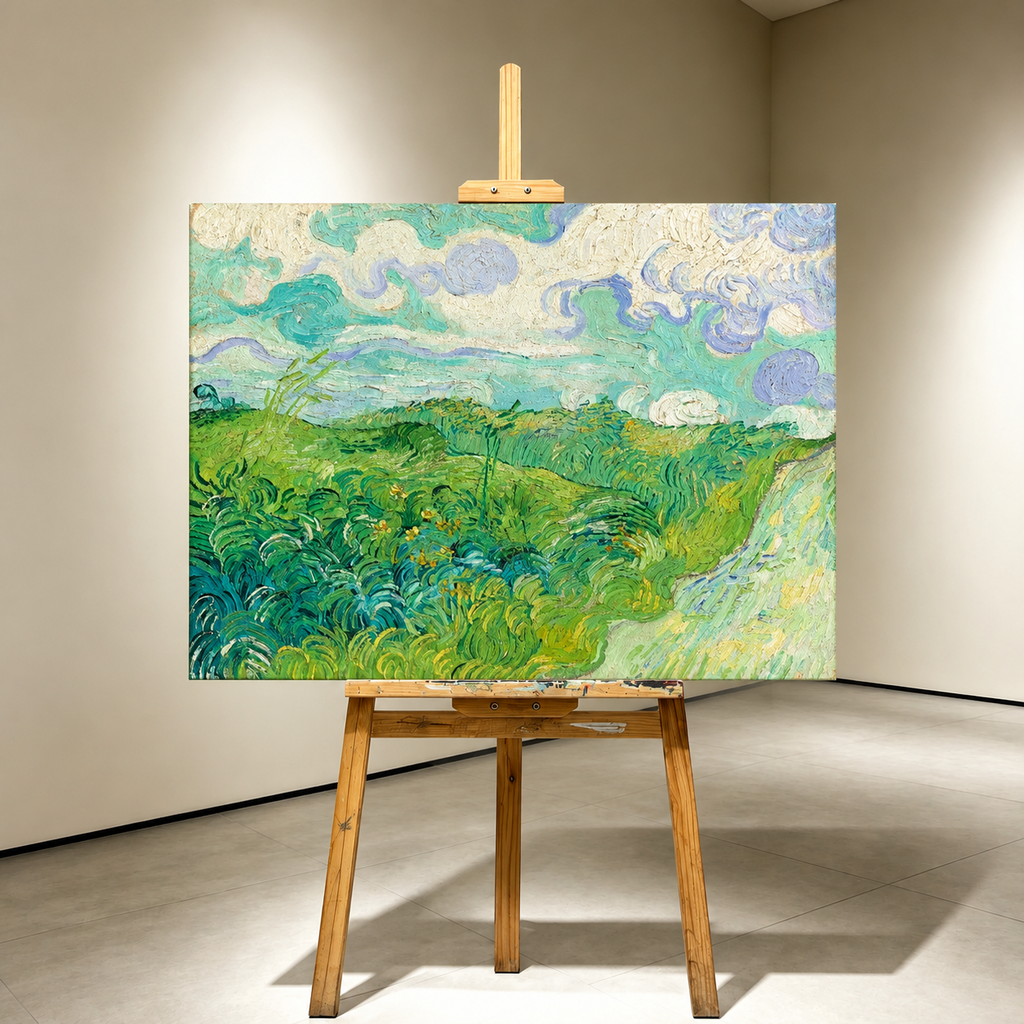
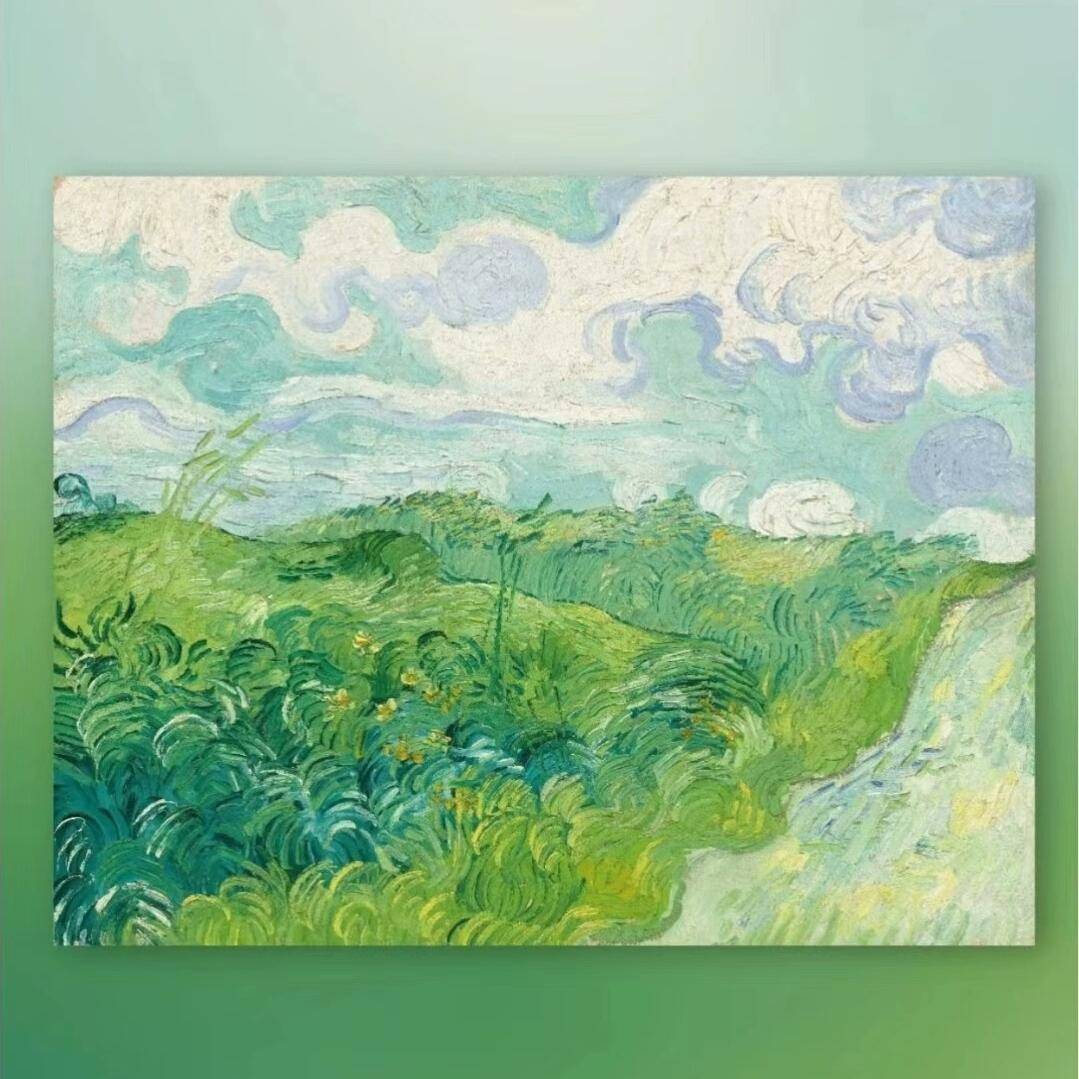
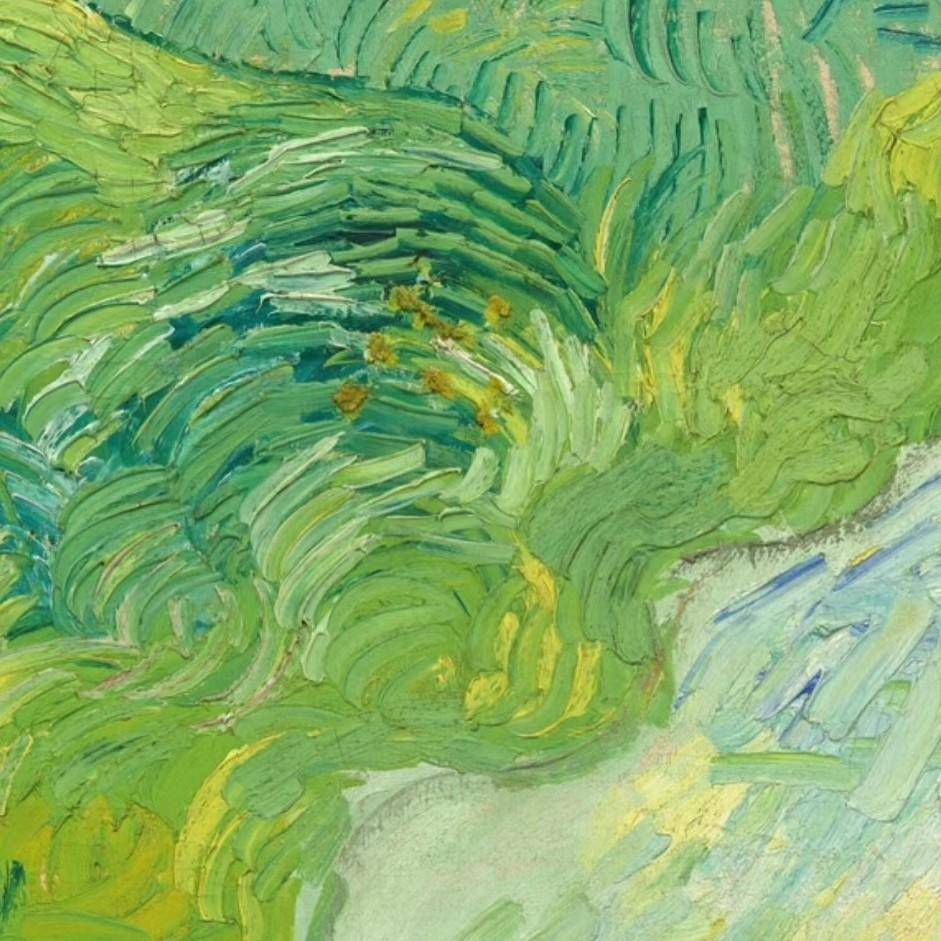
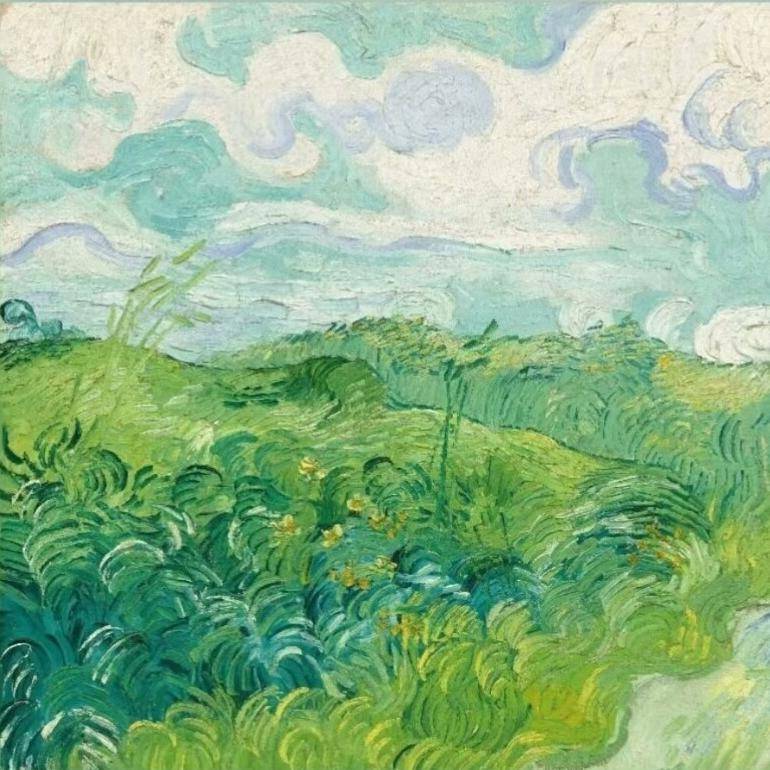
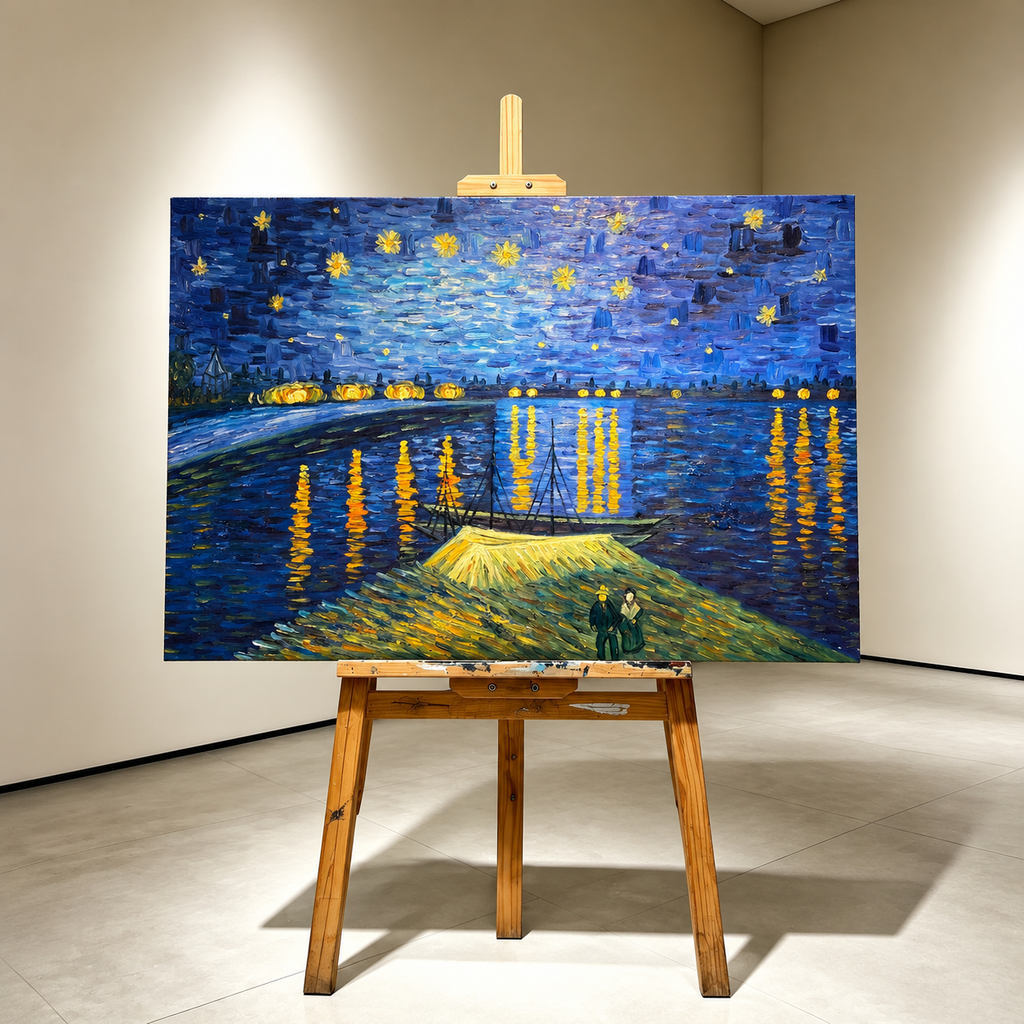
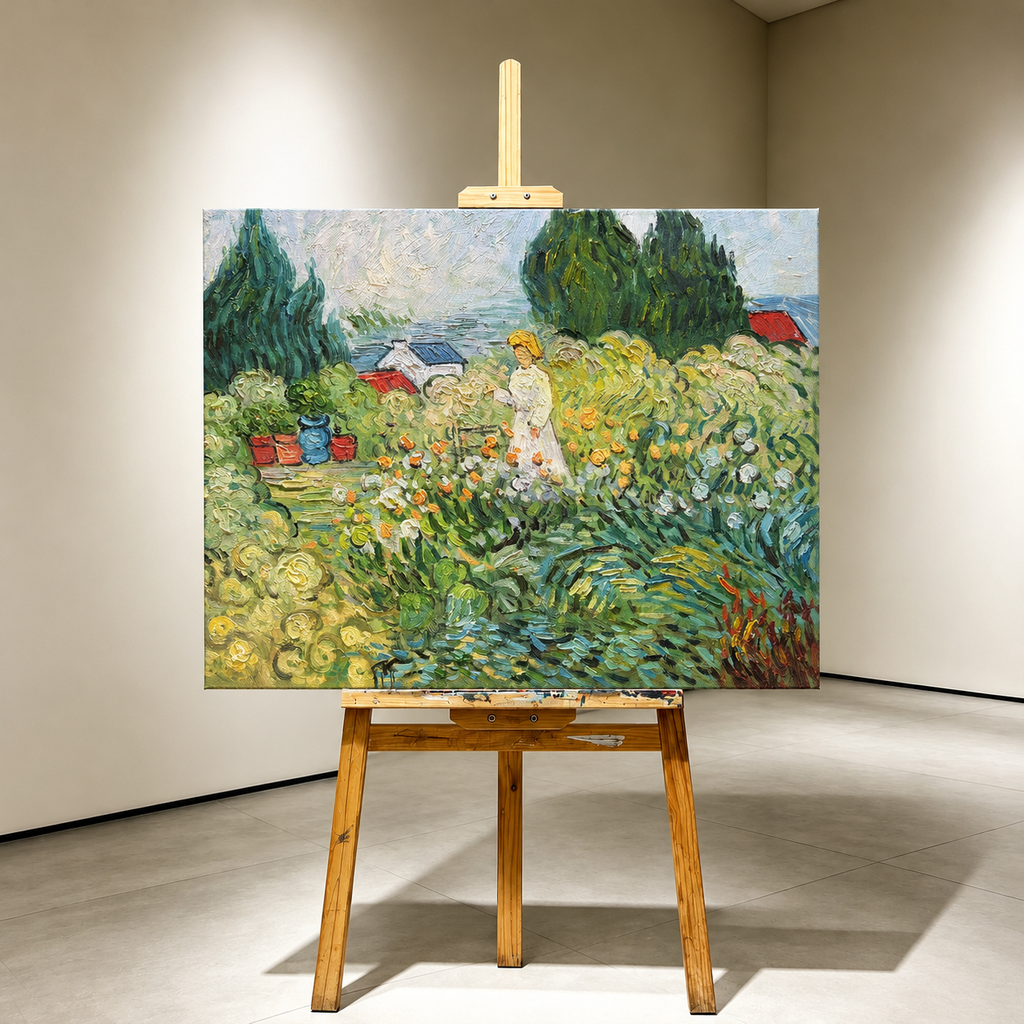
Original Title: Green Wheat Fields at Auvers (Champs de blé verts a Auvers)
Original Artist: Vincent Willem van Gogh (1853-1890)
# التقدير
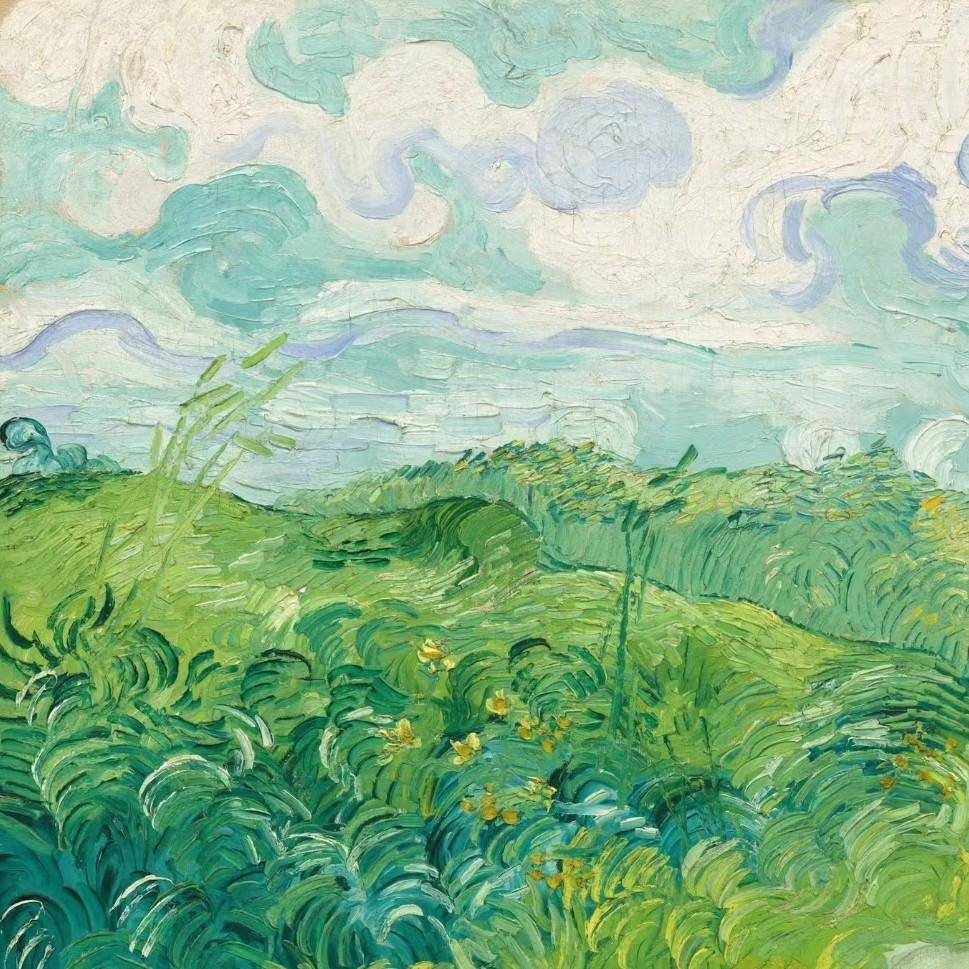
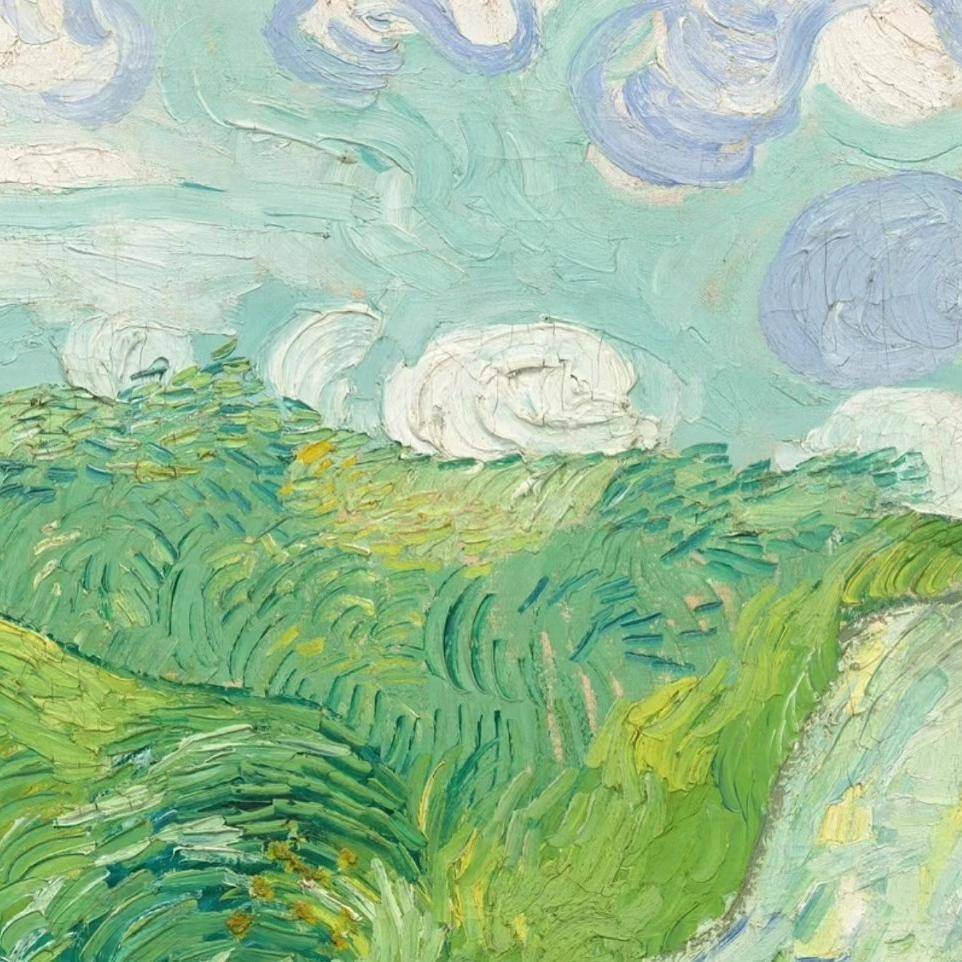
Painted in 1890, Green Wheat Fields at Auvers is a late landscape masterpiece. There are no figures or buildings – only rolling green wheat, a winding path and surging clouds. Curling, heavy impasto strokes make grass and cloud seem to move in the wind; rich greens joined to pale blue-violet replace the fierce heat of the southern period with something calmer and softer. The painter lodges his inner feeling in the fields, lending ordinary countryside a pulsing life through flowing colour and touch – a distinctly late, lyrical power.
# نبذة عن الفنان
Vincent Willem van Gogh (30 March 1853 – 29 July 1890) was a Dutch Post-Impressionist painter. After trying various occupations, including the ministry, he committed himself to painting at the age of twenty-seven. He worked in Paris, Arles, Saint-Rémy and Auvers-sur-Oise, and under the influence of Impressionism and Japanese ukiyo-e developed a bold, vigorous brushwork and colours of extraordinary intensity. Beset by poverty and solitude, he saw almost no recognition in his lifetime; The Red Vineyard was the only painting he sold in his lifetime. He left behind masterpieces such as The Starry Night, Sunflowers and Wheatfield with Crows. In 1890 he shot himself at Auvers at the age of thirty-seven; his genius was recognised only after his death, and it profoundly shaped modern painting.




 English
 Chinese (China)
 Arabic
 German
 Japanese
 Korean
 French
 Spanish
 Italian
 Dutch
 Portuguese
 Polish
 Swedish
 Hebrew
 Turkish
 Danish
 Norwegian
 Finnish
 Czech
 Greek
 Hungarian
 Romanian
 Irish
 Estonian
 Latvian
 Lithuanian
 Slovak
 Slovenian
 Croatian
 Bulgarian
 Chinese (Taiwan)
 Chinese (Hong Kong)
المراجعات
لا توجد مراجعات بعد.